Stand Tall, Move Better — Expert Postural Correction for Pain Relief and Long-Term Function
Postural Correction at Perfect Motion Physiotherapy
At Perfect Motion Physiotherapy in Adelaide, we specialise in postural assessment and correction to help you move more efficiently, reduce pain, and prevent long-term dysfunction. Whether you spend hours at a desk, have developed poor habits from past injuries, or experience pain due to postural strain, our physiotherapists can help you restore ideal alignment and movement patterns.
Why Posture Matters
Your posture affects how your body loads muscles, joints, and nerves throughout the day. Poor posture leads to:
- Increased joint and muscle stress
- Muscle imbalances and overcompensation
- Fatigue and reduced endurance
- Pain in the neck, shoulders, mid-back, or lower back
- Altered movement patterns that can lead to chronic dysfunction
Good posture doesn’t mean being rigid — it’s about maintaining dynamic alignment that supports natural, efficient movement.
Common Posture-Related Problems We Treat
At Perfect Motion Physiotherapy in Adelaide, we provide expert treatment for a wide range of posture-related conditions that affect comfort, function, and long-term musculoskeletal health. Poor posture can place excessive strain on muscles, joints, and soft tissues, often leading to chronic pain, fatigue, and reduced performance in daily tasks.
Here are some of the most common postural issues we help our clients address:
Forward Head Posture and Rounded Shoulders
Often caused by prolonged computer or smartphone use, this posture shifts your head forward and causes the shoulders to slump. It can lead to neck pain, shoulder tension, headaches, and reduced upper body mobility.
Tech Neck and Screen-Related Discomfort
With the rise in digital device use, many people experience tech neck — a repetitive strain condition associated with poor head and neck positioning. It often results in cervical stiffness, eye strain, and upper back tightness.
Upper and Lower Back Pain from Prolonged Sitting
Extended periods of sitting — especially with poor ergonomics — can cause slouched or collapsed lumbar posture, leading to disc pressure, muscle fatigue, and persistent lower back pain. This is common in office workers and students.
Postural Fatigue and Workplace Strain
Sitting or standing in static positions throughout the day can overload certain muscle groups, causing postural fatigue, tight hip flexors, rounded backs, and poor scapular control. These issues can significantly impact work performance and general well-being.
Spinal Imbalances (e.g., Scoliosis, Hyperlordosis, Flat Back)
We assess and treat structural and functional spinal deviations, such as scoliosis (sideways curvature), hyperlordosis (exaggerated lower back arch), and flat back posture. These conditions can affect spinal alignment, balance, and mobility.
Muscle Tightness, Weakness, and Asymmetry
Postural dysfunction often stems from or leads to imbalanced muscle activity, including tight chest muscles, weak glutes, or uneven weight-bearing. These imbalances can result in poor coordination and increased risk of injury.
Postural Changes After Injury or Inactivity
Past injuries or long periods of reduced activity can lead to compensatory movement patterns. Over time, these contribute to chronic pain, stiffness, and inefficient movement habits that impact recovery and function.
Comprehensive Postural Assessment
At Perfect Motion Physiotherapy, we begin with a detailed assessment to identify:
- Static posture in sitting, standing, and lying positions
- Dynamic posture during walking, lifting, and reaching
- Muscle imbalances, including tight or overactive muscles
- Inhibited or underused stabilisers, like the deep neck flexors or core
- Postural fatigue and endurance limitations
- Pain or compensation during postural tasks
This thorough evaluation allows us to develop a tailored postural correction plan that addresses your specific needs and goals.
How We Improve and Correct Posture
Our integrated treatment approach includes:
- Postural Retraining & Education
Teaching correct alignment and ergonomic habits.
Movement cueing and awareness strategies to reduce postural fatigue.
Functional training for posture in real-world tasks (e.g., desk work, lifting, standing). - Exercise Therapy
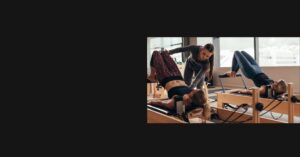
Targeted strengthening for postural stabilisers (e.g., core, scapular muscles, glutes).
Stretching and mobility work for shortened or tight muscle groups.
Dynamic postural control exercises to build endurance and resilience. - Manual Therapy & Joint Mobilisation
Improves joint mobility in stiff areas like the thoracic spine or hips.
Supports proper alignment and spinal movement. - Taping Techniques
Kinesio taping to enhance awareness and cue upright posture.
Rigid taping when short-term support is needed for shoulder or scapular control. - Electro Physical Agents
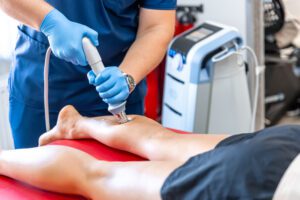
Interferential Therapy (IFT) for pain modulation and circulation.
Ultrasound Therapy to aid tissue healing and reduce inflammation.
Pulsed Electromagnetic Field Therapy (PEMF) to stimulate cellular repair and nerve recovery. - Dry Needling
Used to release postural muscle trigger points (e.g., upper traps, levator scapulae) and reduce neck, back, or shoulder tension. - Soft Tissue Release
Manual release of tight structures like pecs, hip flexors, and spinal muscles to reduce strain and allow more upright, comfortable posture.
Postural Correction vs. Postural Bracing
| Feature | Postural Correction (Physiotherapy) | Postural Bracing |
|---|---|---|
| Goal | Retrain muscles and build long-term postural control | Provide temporary support and position cueing |
| Muscle Activation | Encourages active engagement of stabilising muscles | May reduce muscle activity with prolonged use |
| Customisation | Tailored to your movement, strength, and habits | Limited adaptability |
| Long-Term Benefits | Improves awareness, strength, and function | Often passive and less effective long term |
We may use bracing as a short-term tool but focus on active retraining for lasting postural improvement.
Book a Postural Correction Consultation Today
If you’re dealing with pain, fatigue, or poor posture affecting your work, movement, or quality of life, our physiotherapists can help.
Contact Perfect Motion Physiotherapy in Adelaide today to book your assessment and start your personalised Postural Correction program — for a stronger, more upright, and pain-free future.